Explore how physical form shapes the human experience
Engineering med-tech innovation
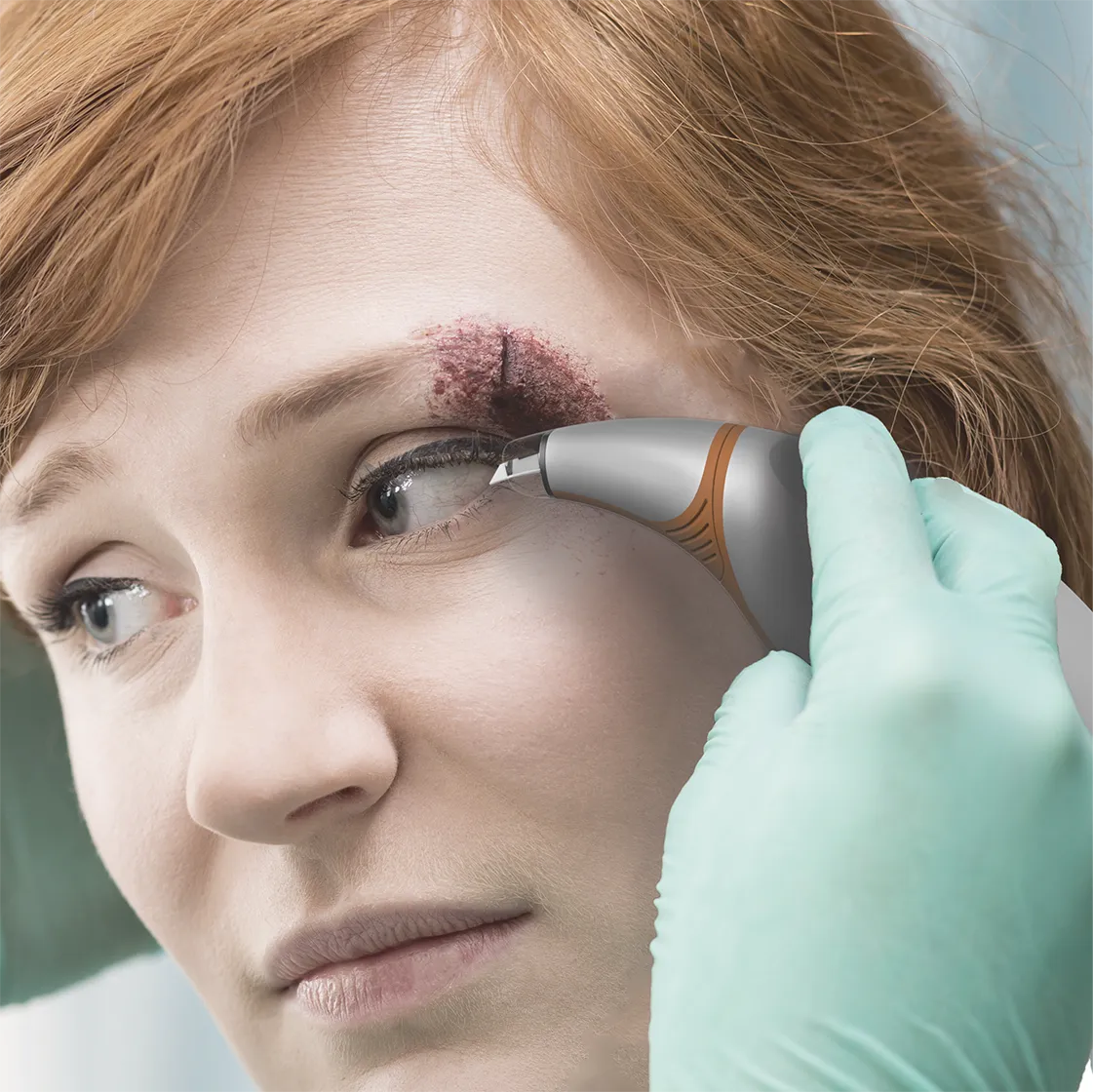
At the intersection of clinical requirements and human factors lies the physical product. I partnered with InnSight Technology, an NSF SBIR-funded med-tech startup, to translate their deep-tech engineering into a viable, human-centered handheld medical device.
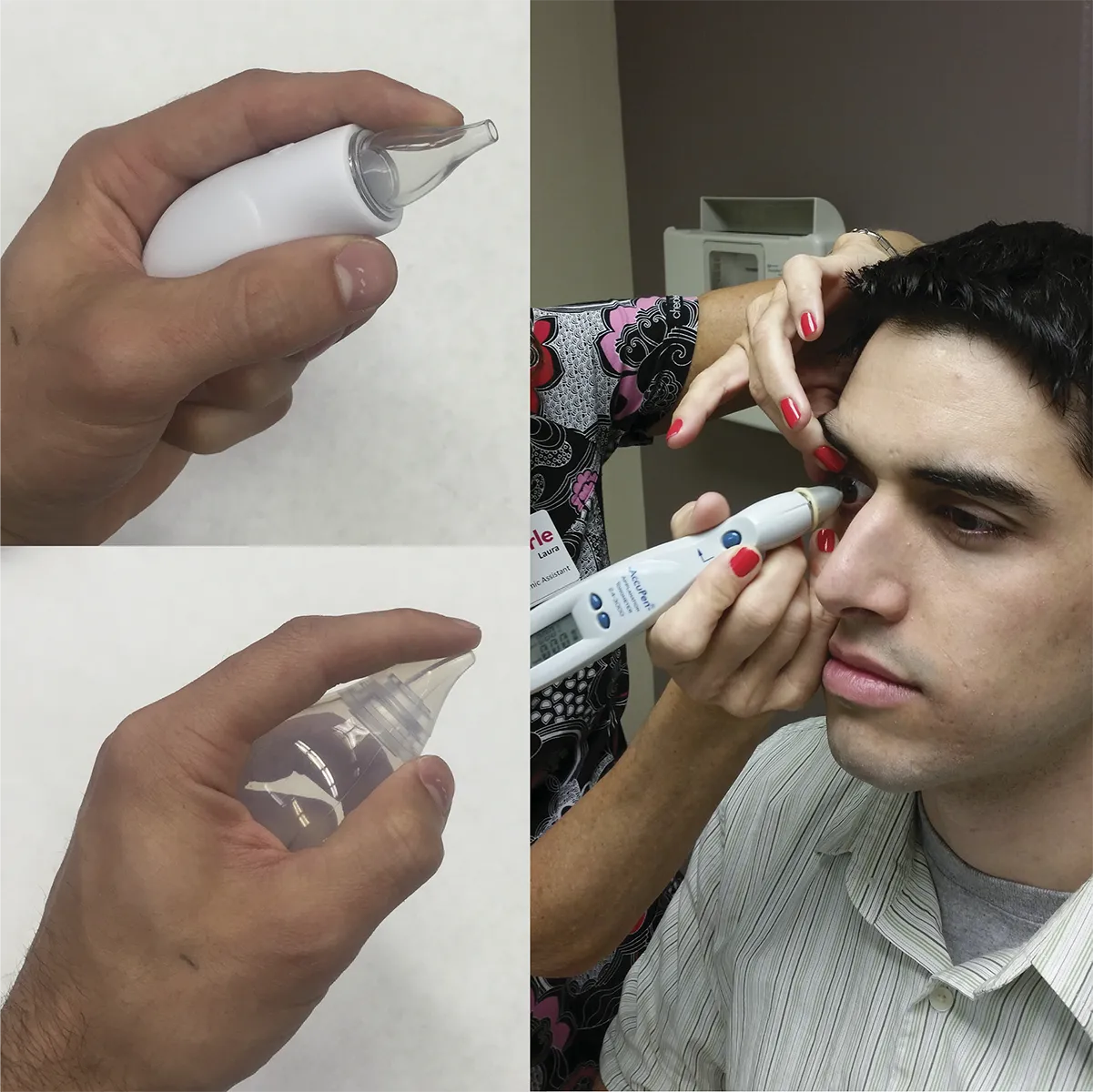
Working under a lead design professor and alongside a team of researchers, I focused on the structural and ergonomic realities. My role centered on architecting the physical housing, moving the product from foundational user research and ergonomic testing through to high-fidelity CAD modeling.
Translating clinical innovation into market presence
A groundbreaking medical device cannot survive on engineering alone; it requires a strategic narrative to secure funding and market adoption. Recognizing the startup's need for a cohesive ecosystem, my role naturally evolved beyond hardware design into leading their multidisciplinary brand strategy. I architected the visual identity from the ground up, translating complex clinical data into accessible, high-impact marketing materials and a complete website redesign. Beyond digital and print collateral, I developed and executed their physical exhibition strategy for the National Science Foundation SBIR/STTR Phase II Conference. This transition—from modeling the physical device to designing the global pitch that sold it—demonstrates my ability to shepherd a product through its entire lifecycle, bridging the gap between deep-tech R&D and undeniable market presence.
Engineering for inclusivity & independence
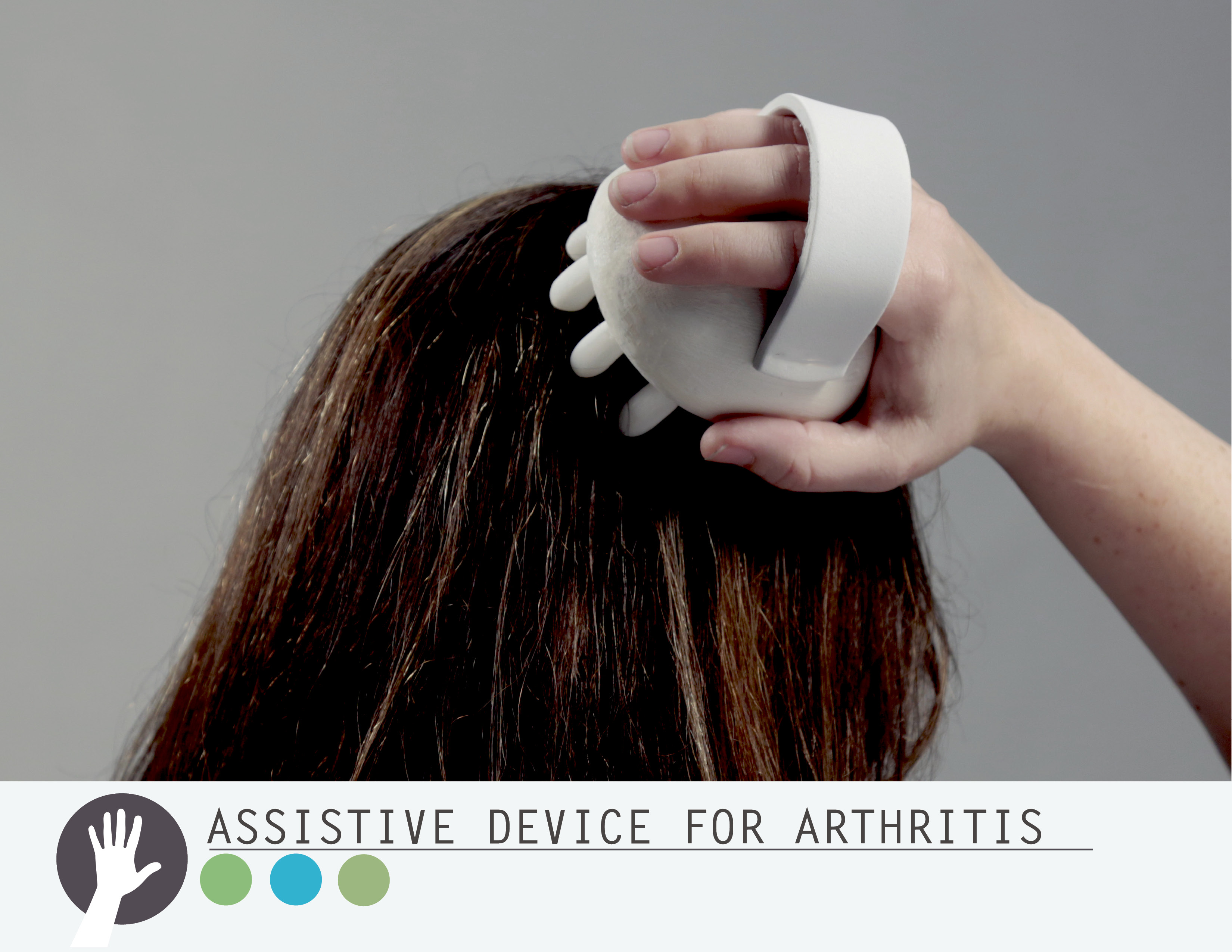
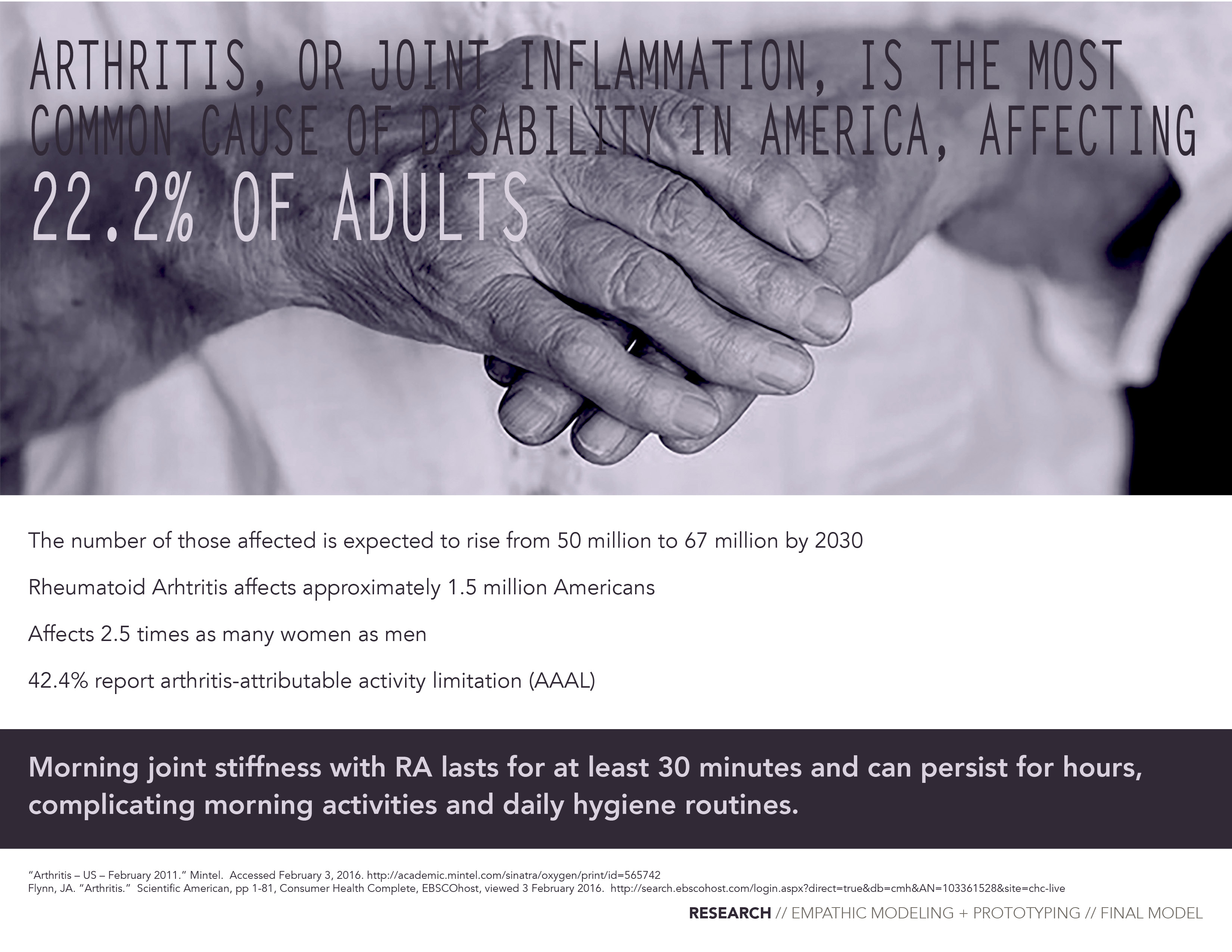
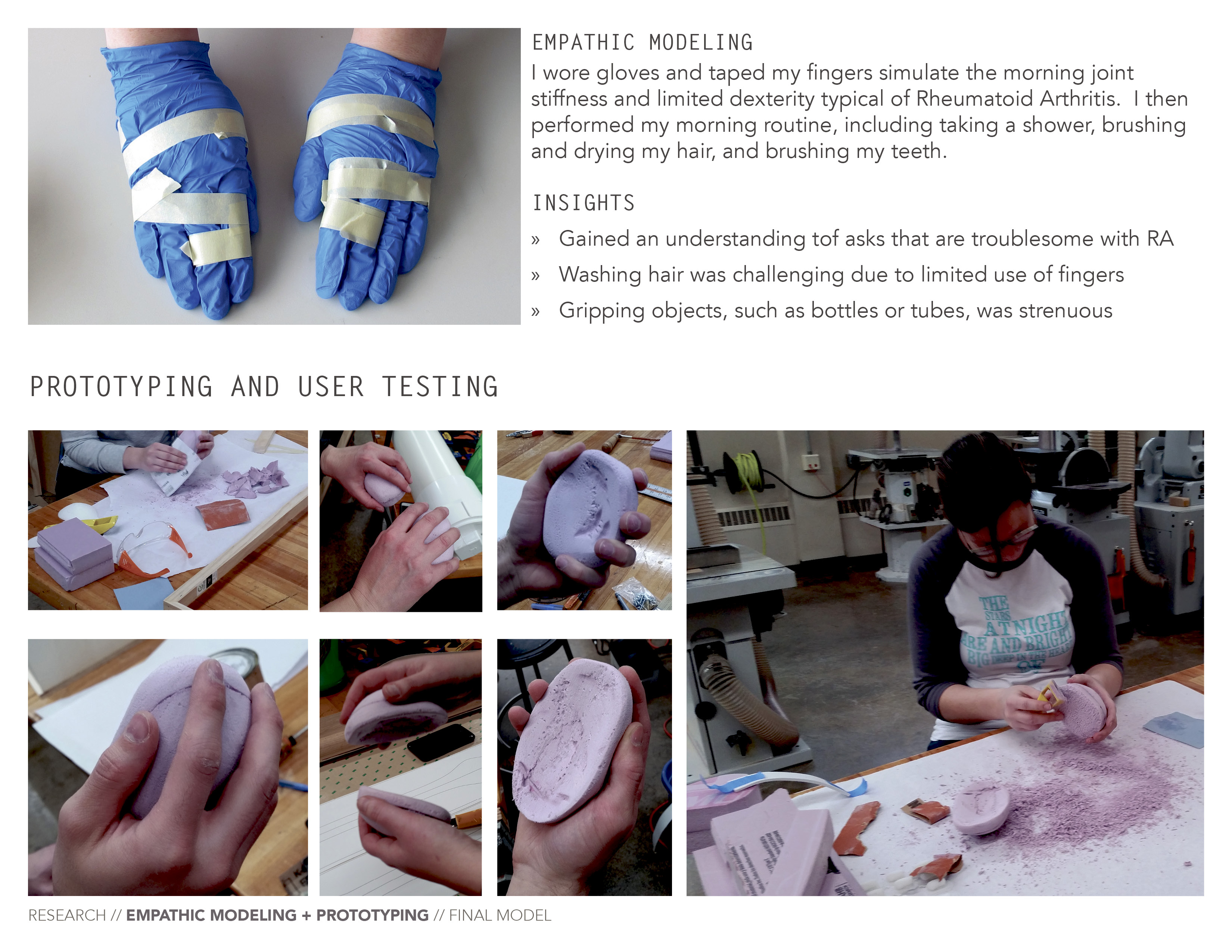
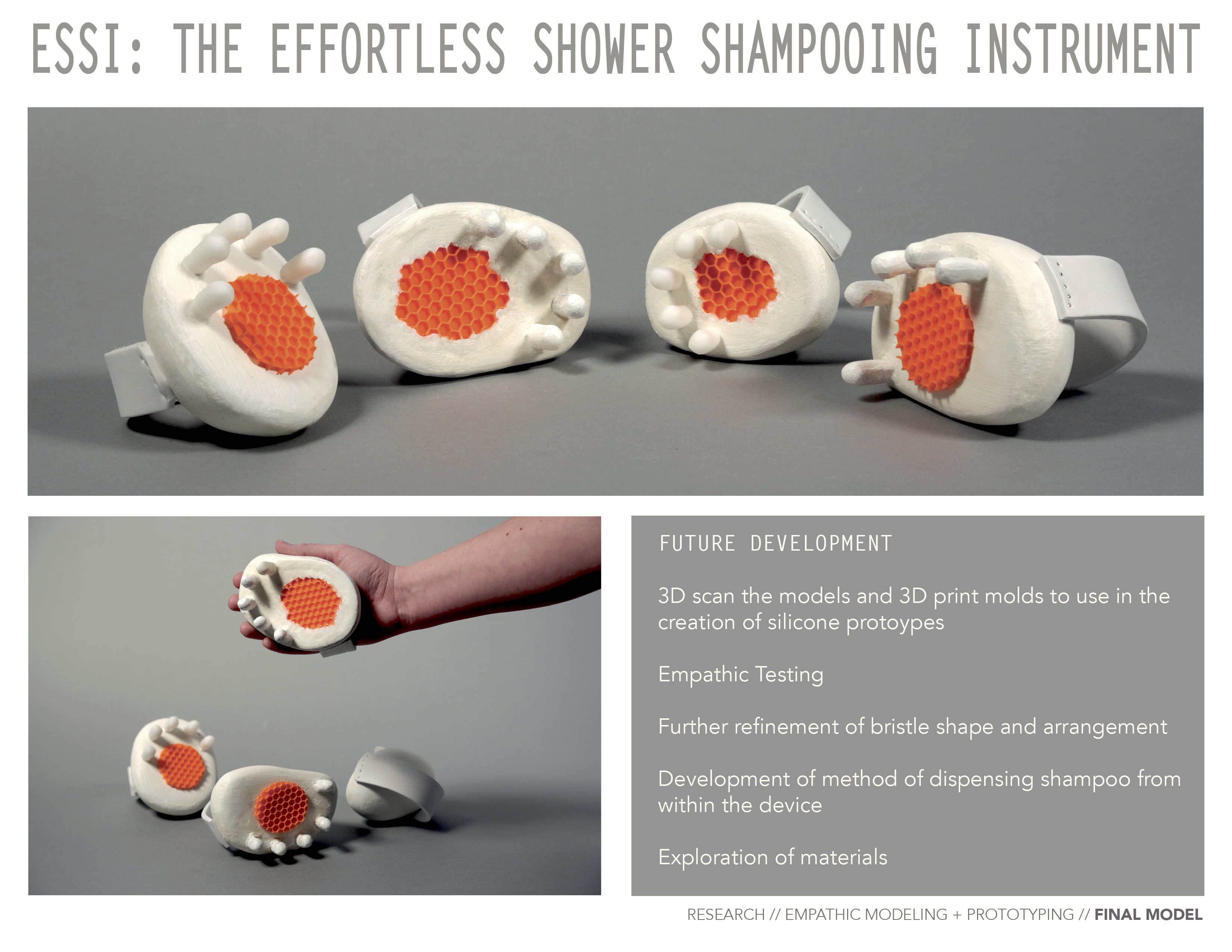
Designing for accessibility requires more than observation; it requires deep, physical empathy. To truly understand the severe morning joint stiffness caused by Rheumatoid Arthritis, I utilized empathic modeling—physically restricting my own dexterity to experience the exact pain points of a daily hygiene routine. This firsthand data drove the structural design of the Effortless Shower Shampooing Instrument (ESSI).
Moving from conceptual sketches to high-fidelity silicone and 3D-printed molds, I engineered a device that eliminates the need for tight gripping. This project underscores my core design philosophy: whether building a physical device or a digital enterprise platform, true innovation and frictionless UX are always rooted in profound human empathy.
Rethinking transit: structural safety for pets
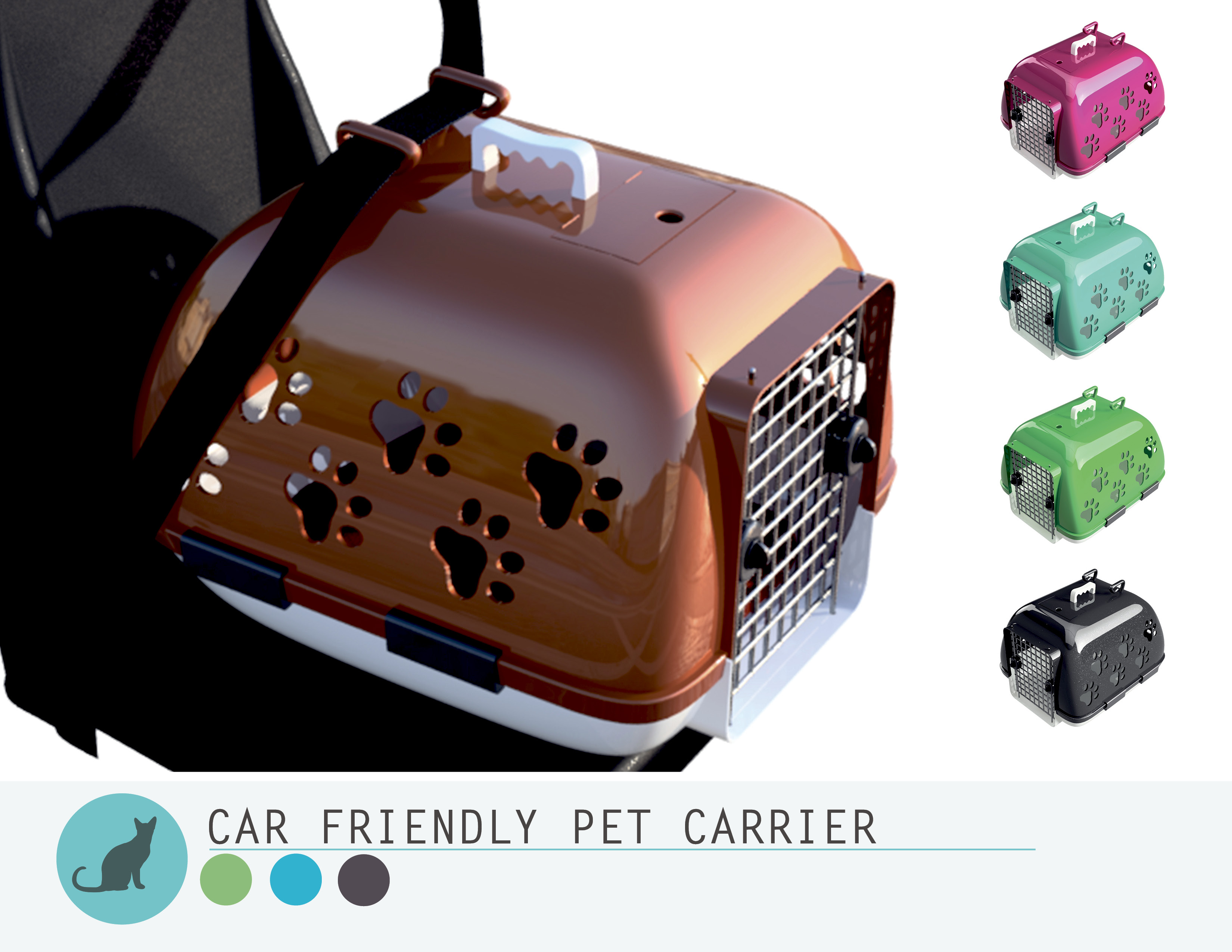
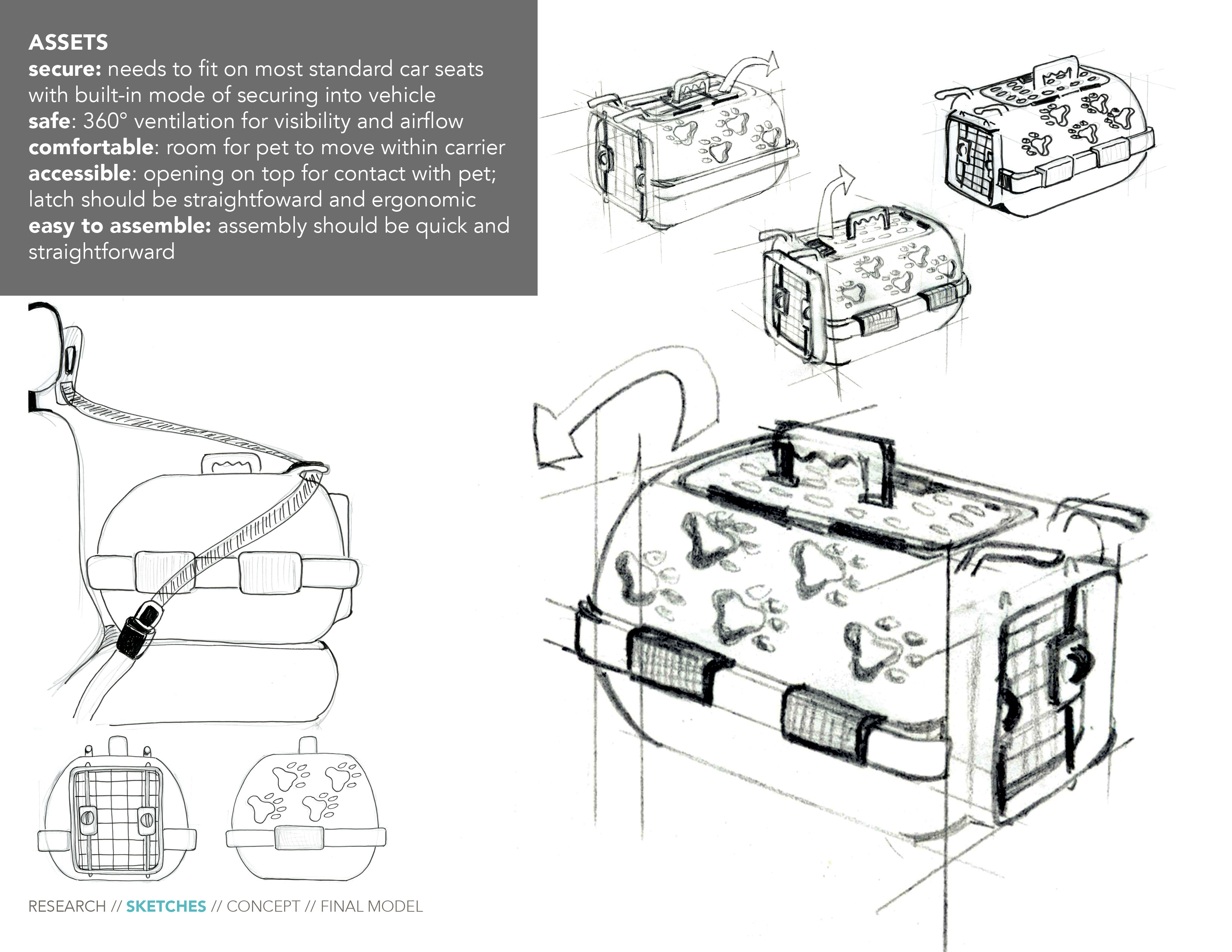
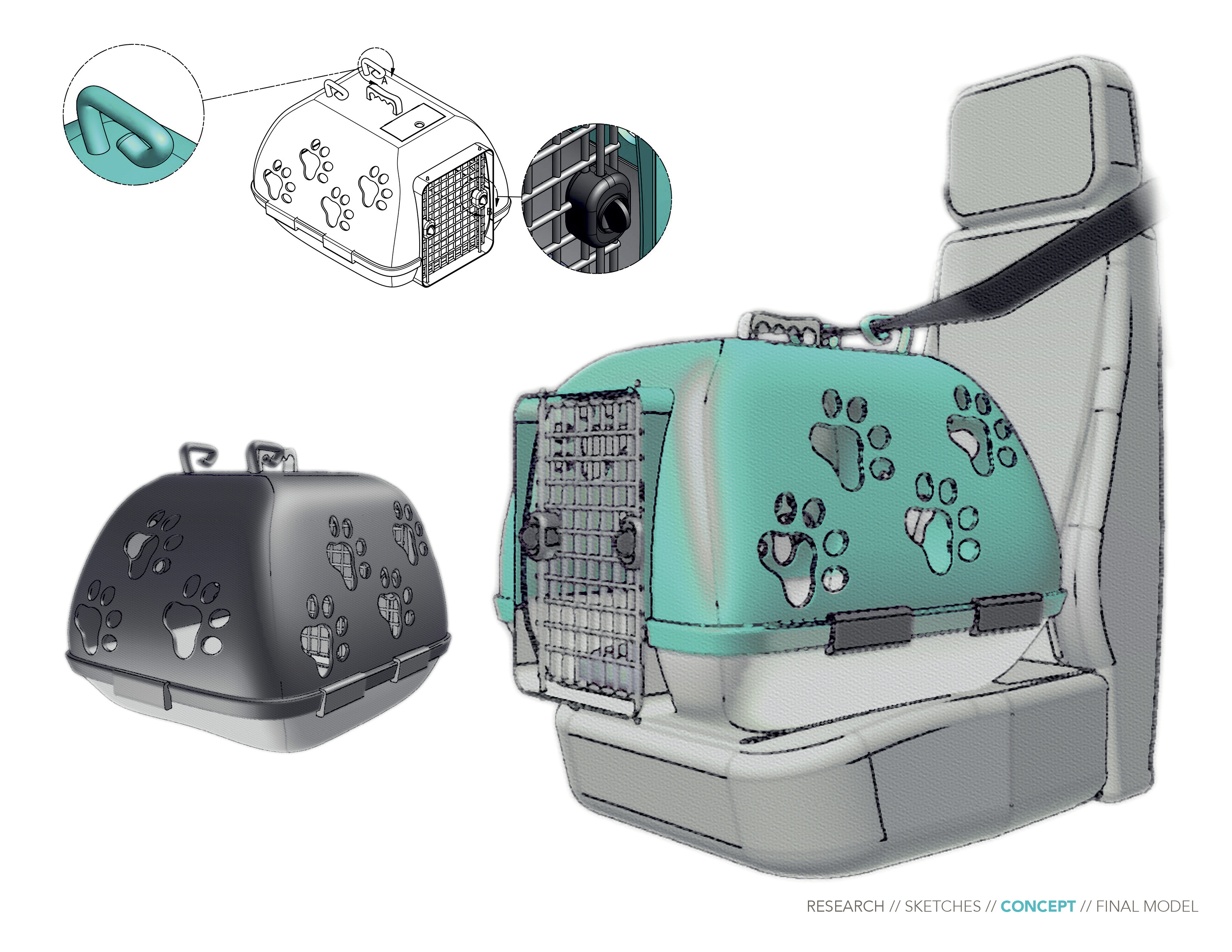
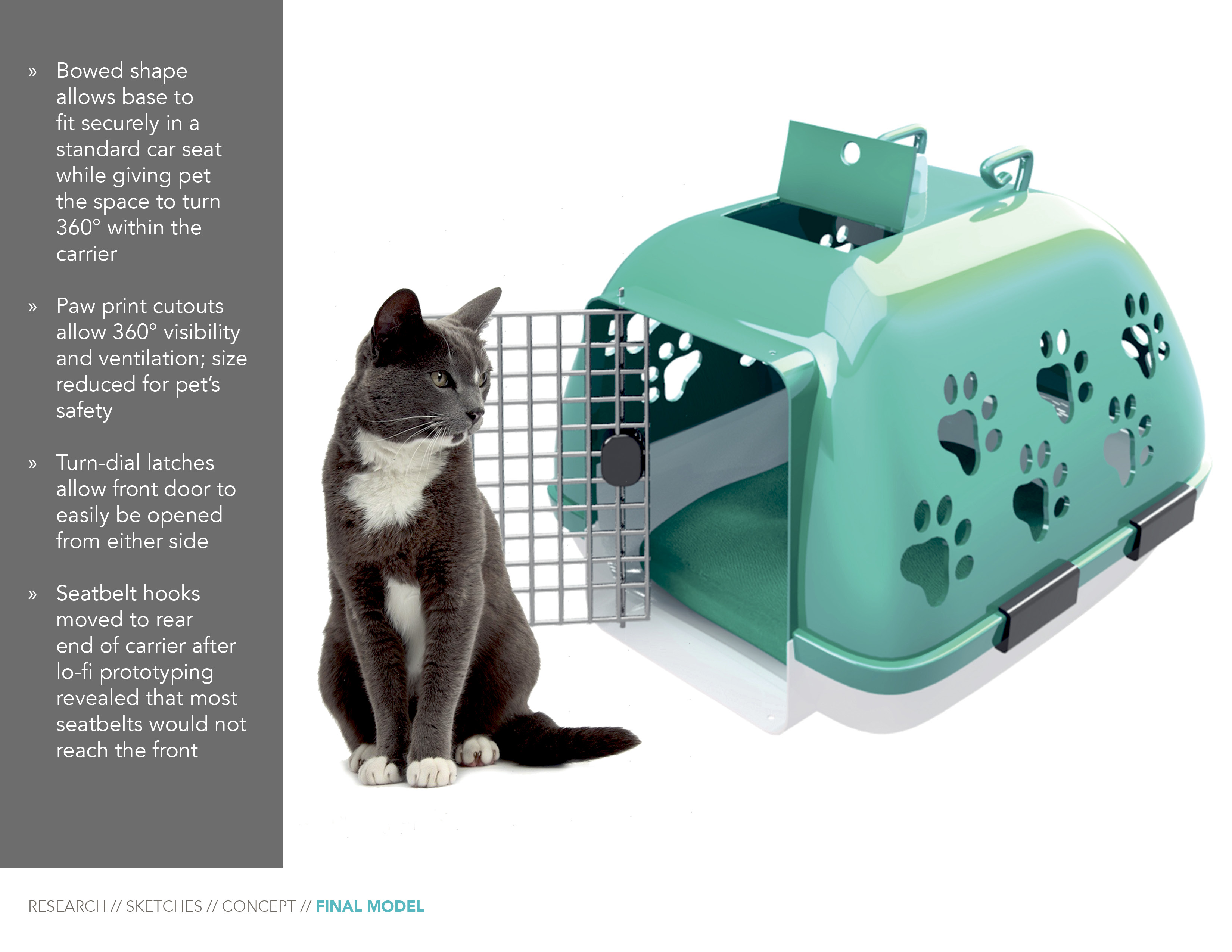
Standard pet carriers are designed for carrying, not commuting—leaving a massive gap in automotive safety and animal comfort. Inspired by the travel needs of my own cat, Dante, I set out to re-engineer the transit experience from the ground up. This required balancing rigid spatial constraints (standard car seat dimensions) with dynamic safety requirements (seatbelt integration) and user ergonomics (accessible dial latches).
By prototyping custom physical forms, I designed a carrier featuring a bowed base for secure vehicle seating, 360-degree ventilation, and reinforced seatbelt hooks. It’s a prime example of applying structural problem-solving to an overlooked everyday system, ensuring both the human operator and the animal end-user experience frictionless travel.

Designing for the ultimate stress test
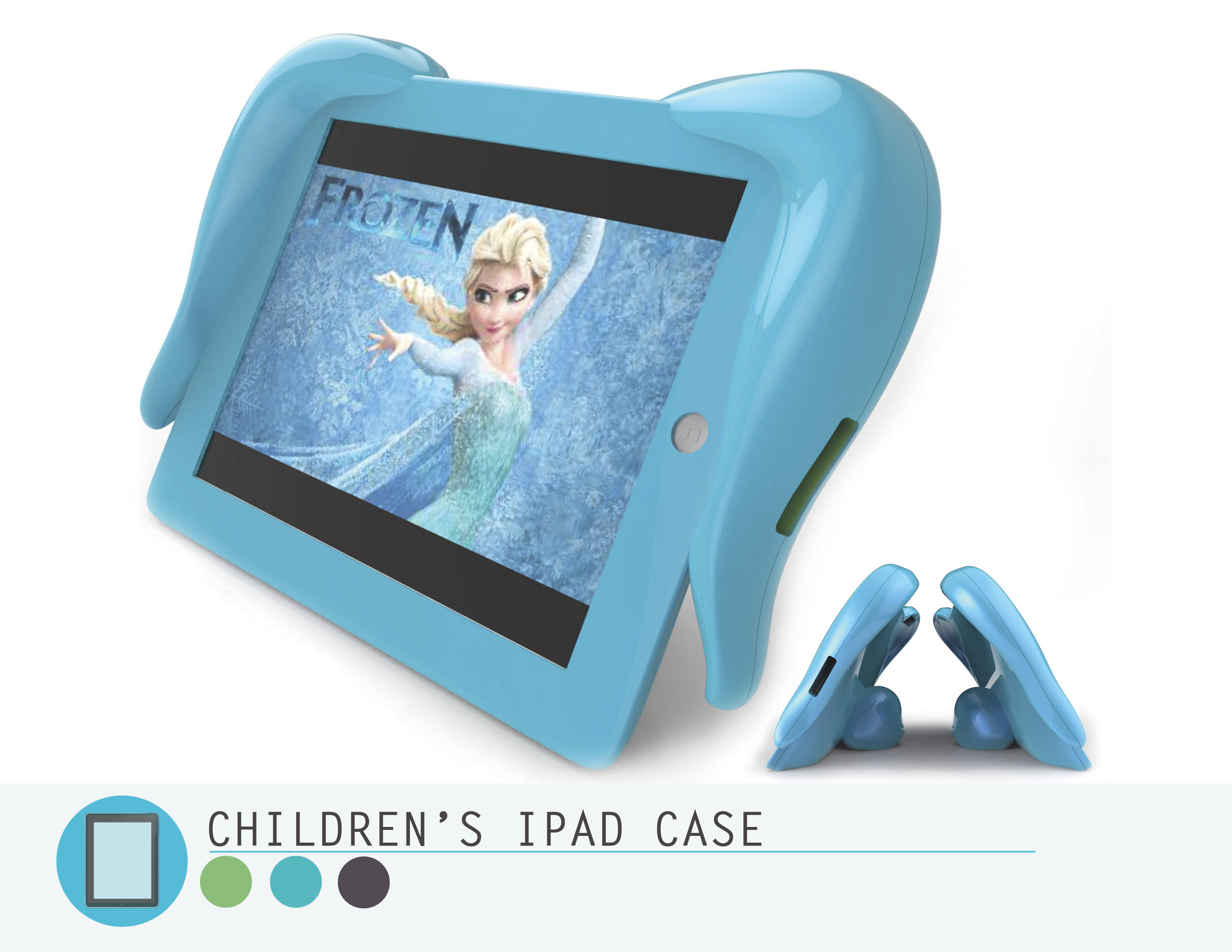
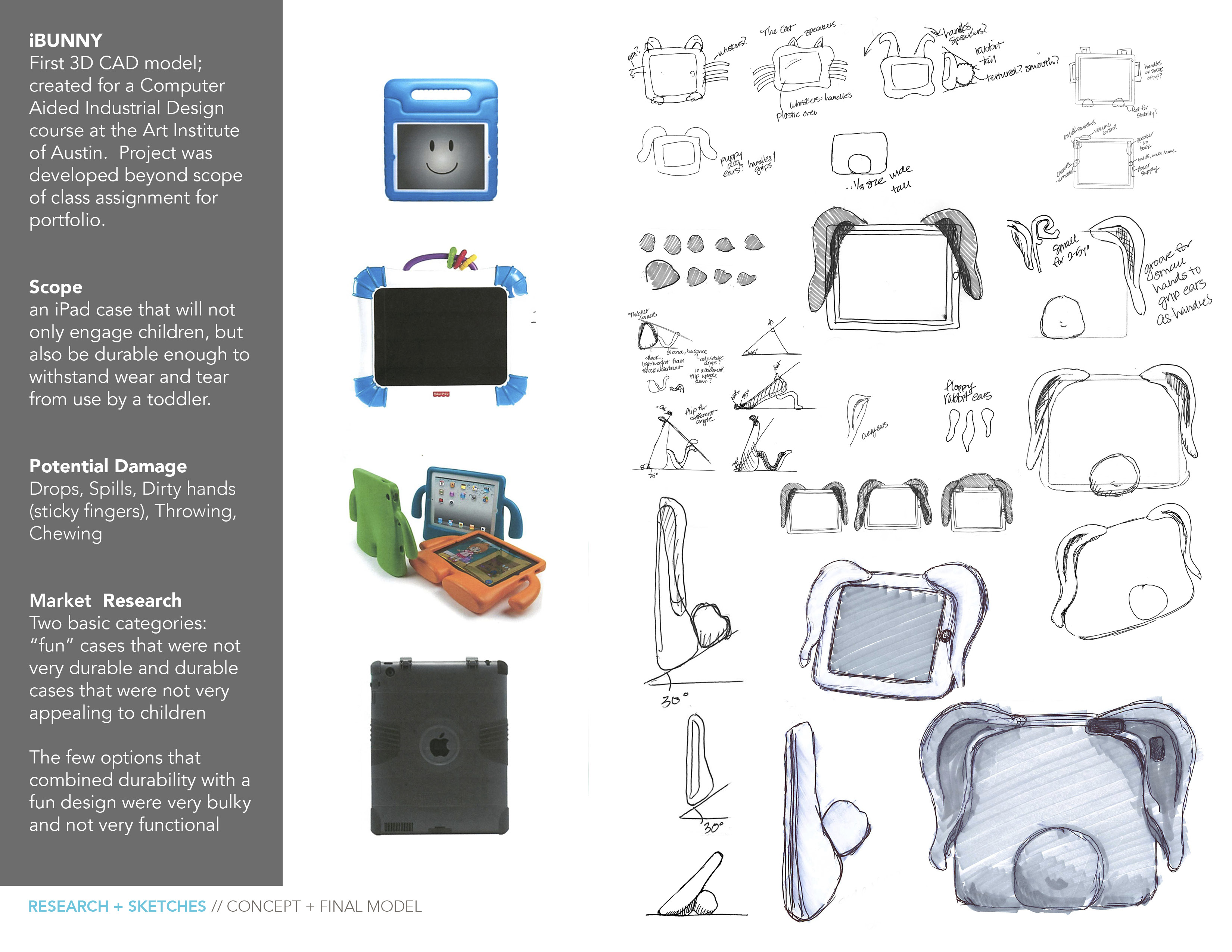
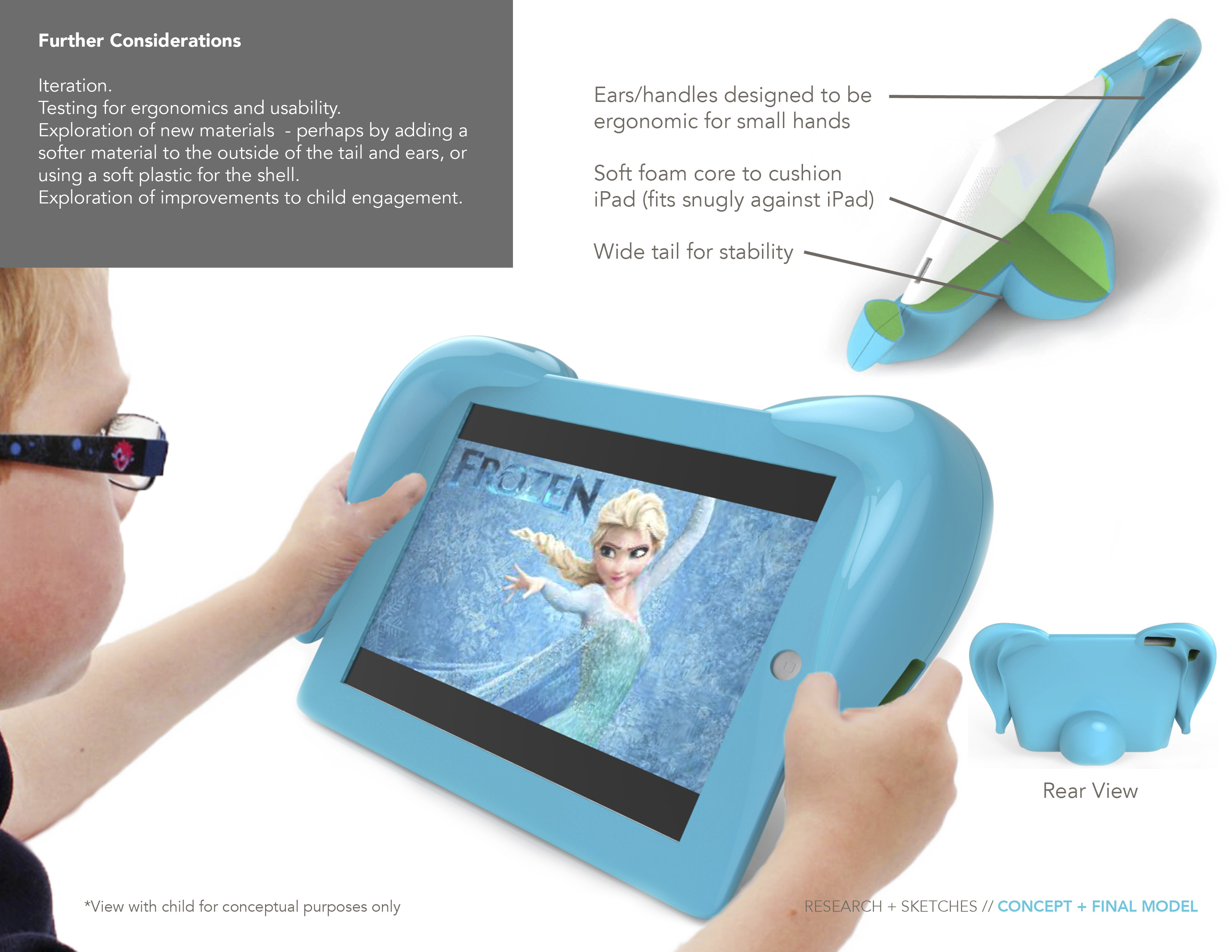
Designing for children presents a unique structural challenge: the product must be universally engaging while surviving catastrophic wear and tear. This foundational 3D CAD project focused heavily on material science and specialized ergonomics. I developed an architecture utilizing a dual-material approach—a soft foam core for shock absorption encased in a durable plastic shell. Every physical feature served a functional purpose: the "ears" acted as ergonomic handles engineered specifically for small hands, while the wide "tail" provided structural stability for hands-free viewing. This project solidified my approach to stress-testing early concepts, proving that playful aesthetics must always be backed by indestructible physical architecture.
Optimizing the clinical environment
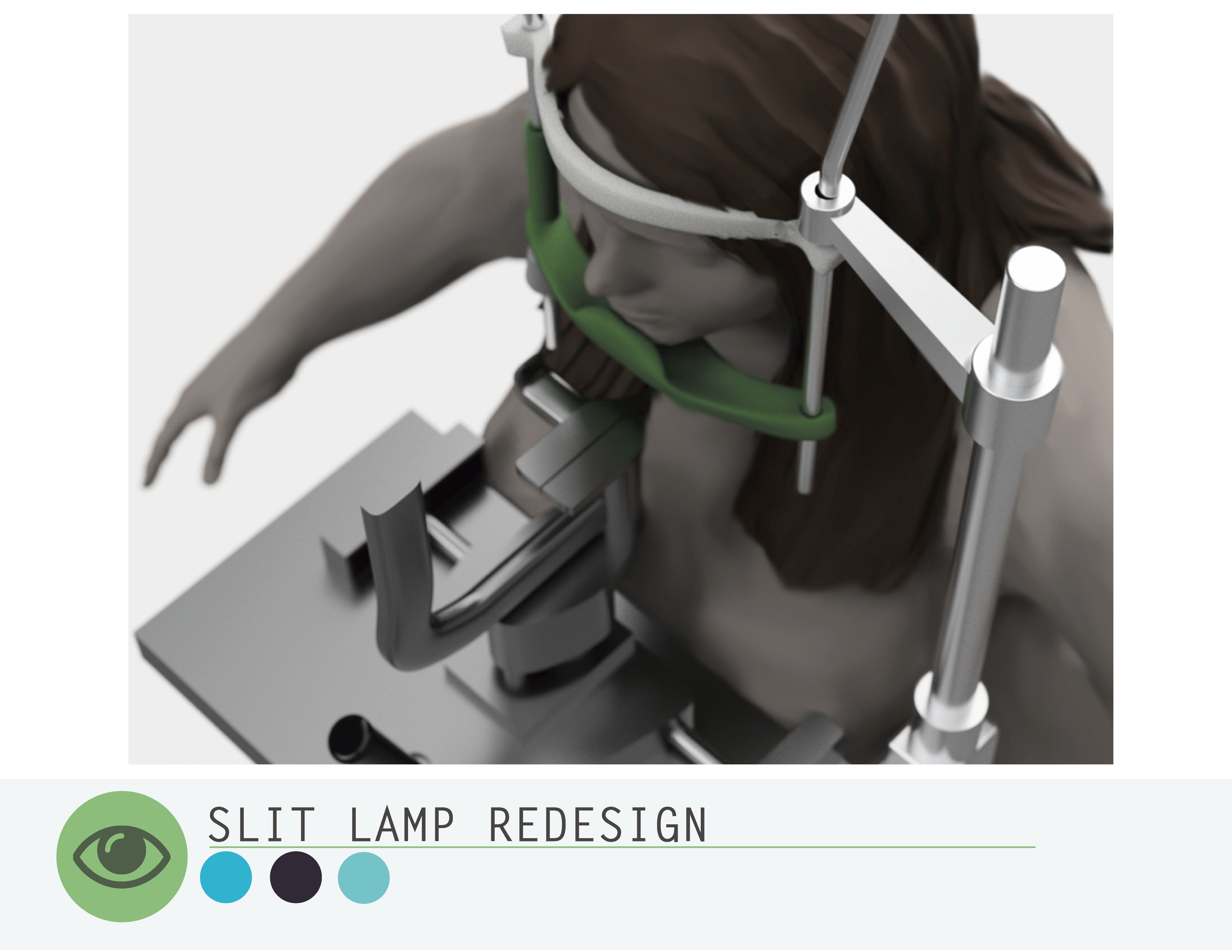
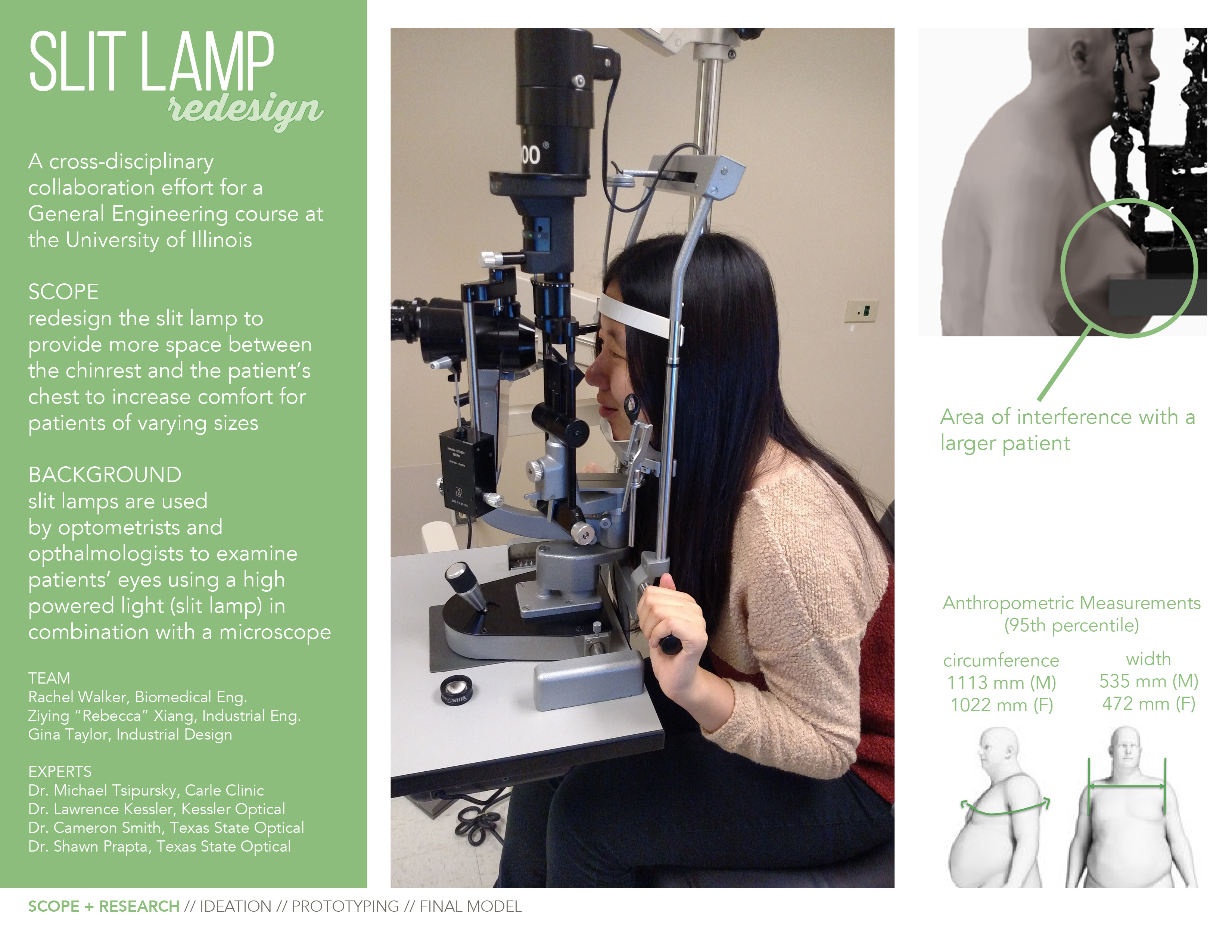
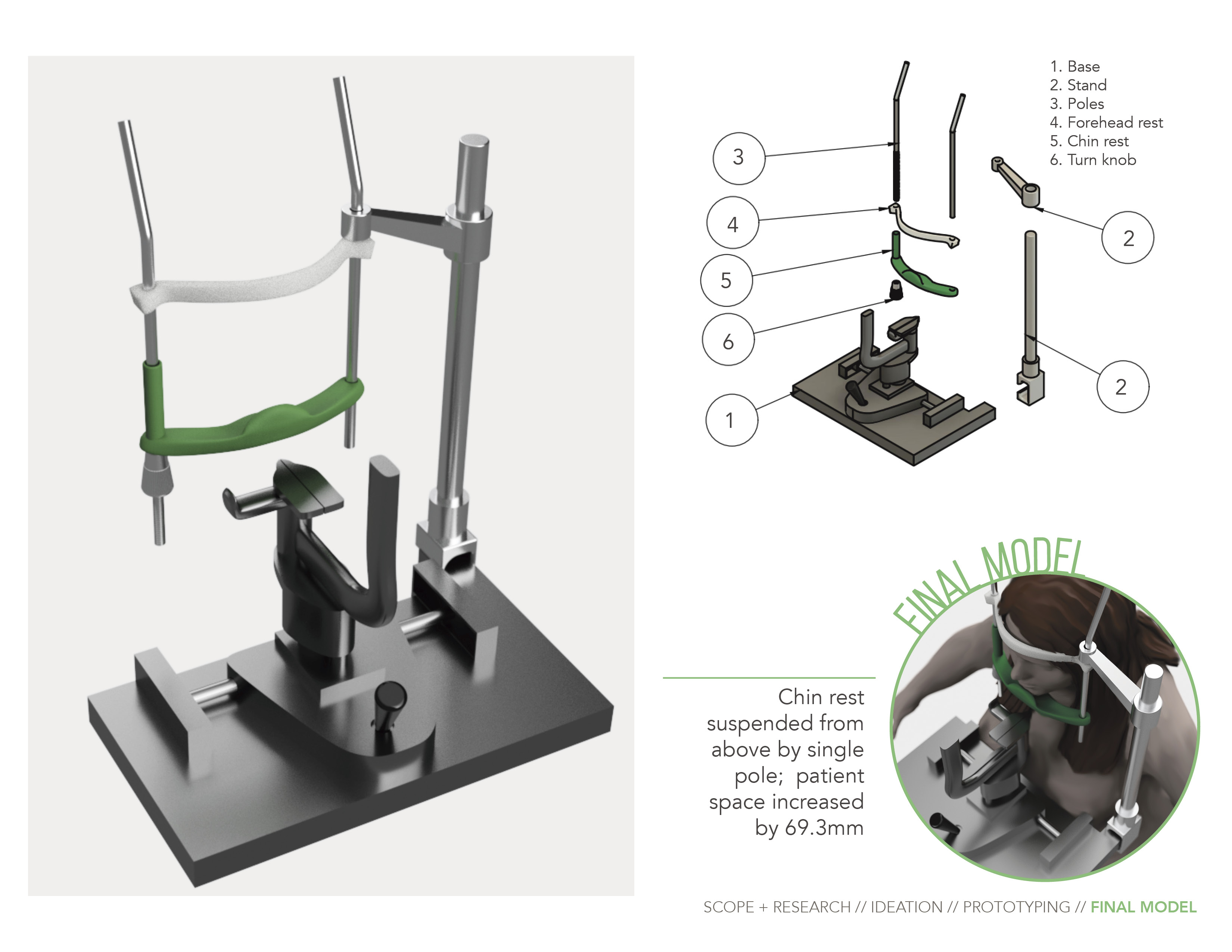
In high-stakes clinical environments, poor hardware ergonomics don't just cause discomfort—they compromise the delivery of care. Collaborating cross-functionally with biomedical and industrial engineers, I co-led the redesign of a standard optometry slit lamp.
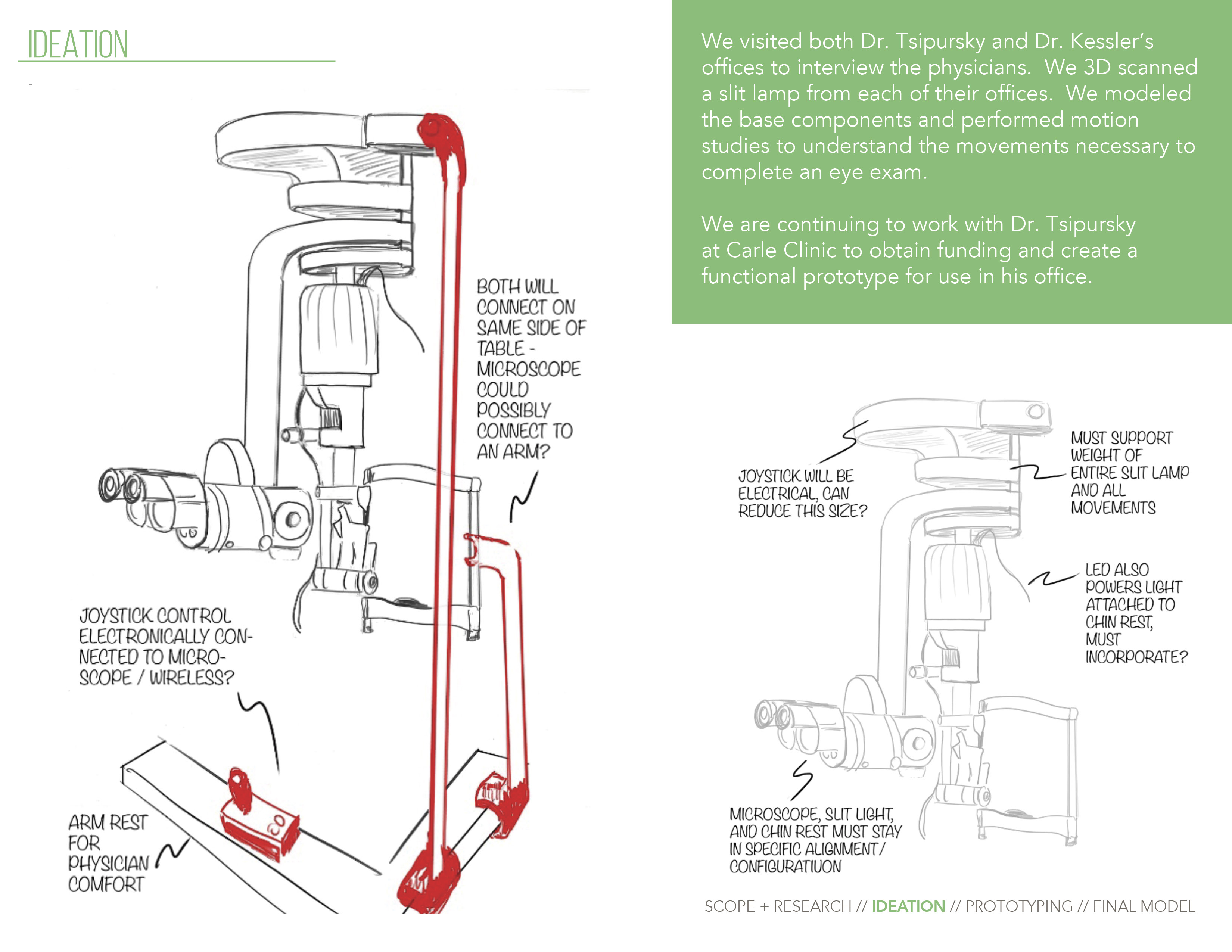
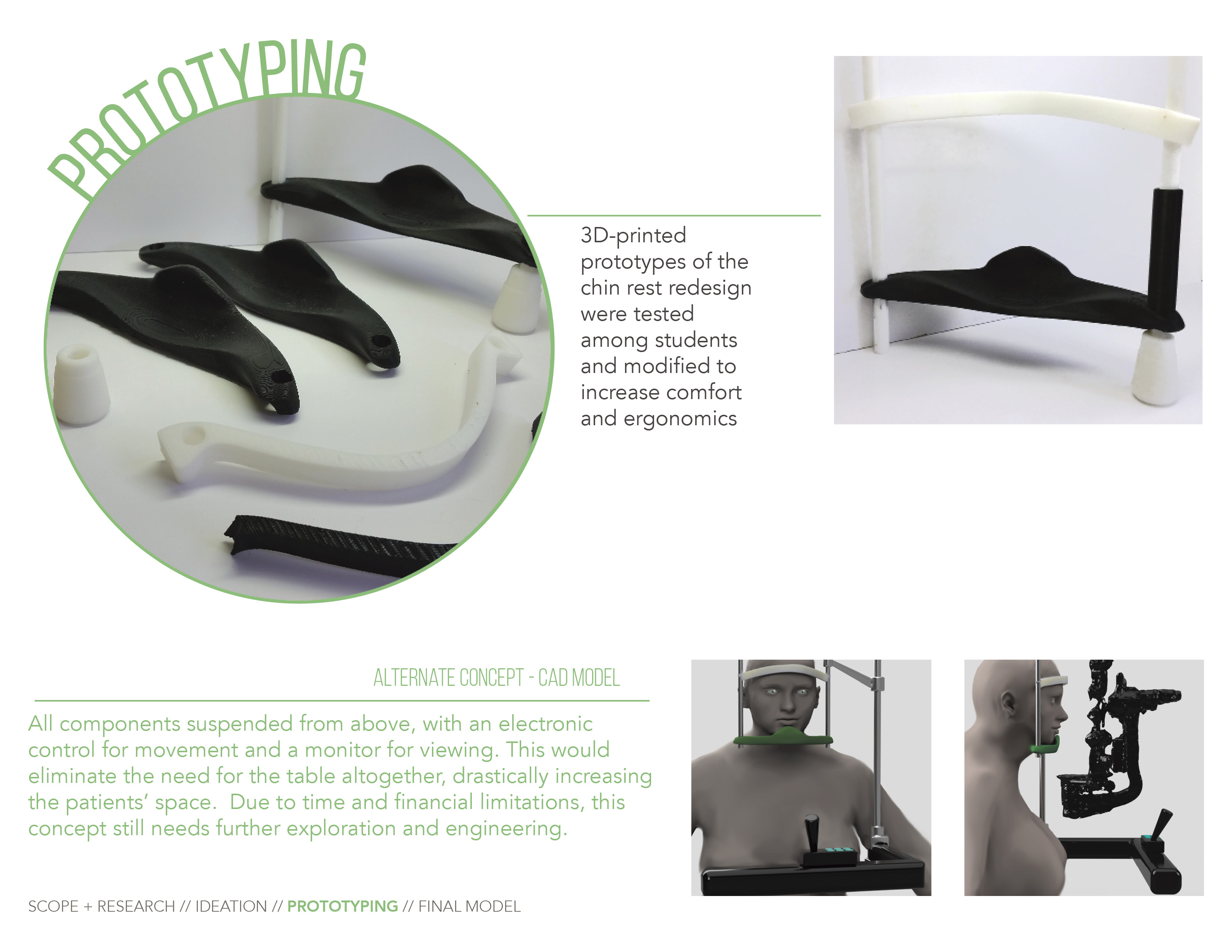
Our foundational research revealed a critical flaw: the legacy design failed to accommodate larger patients. By conducting on-site clinical shadowing, utilizing 3D scanning, and analyzing 95th-percentile anthropometric data, we engineered a radically more inclusive form factor. We redesigned the chin rest and conceptualized an entirely new, top-suspended mechanical arm, drastically increasing patient clearance.